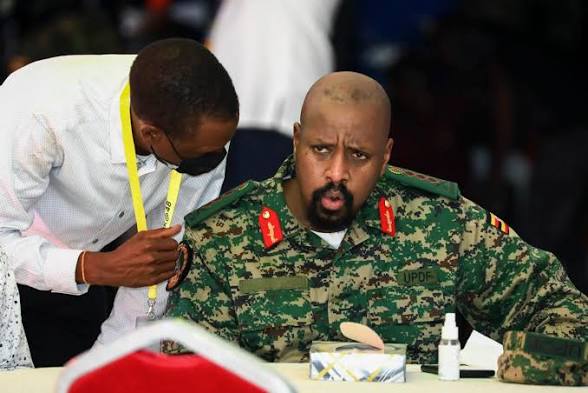
Gen Muhoozi Kainerugaba has sparked fresh political debate after expressing surprise and frustration over the absence of veteran politician from the recently announced Cabinet lineup.
In remarks that quickly attracted widespread attention, Muhoozi questioned how a seasoned leader like Okello Oryem could have been left out of the new government appointments, suggesting that forces working against their political camp may have influenced the outcome.
“I didn’t see my big brother Okello Oryem in the Cabinet? Surely can that be possible? Whoever is fighting us in these appointments is an enemy,” Muhoozi reportedly stated, triggering immediate reactions from both supporters and critics.
The comments have reignited discussions surrounding the latest Cabinet reshuffle, which saw several familiar faces retained, others promoted, and some long-serving officials omitted altogether. As with previous appointments, the changes have generated intense political analysis across the country.

Okello Oryem has for years been regarded as one of Uganda’s most experienced diplomats and political figures. His long service in government, particularly in foreign affairs, earned him recognition both domestically and internationally.
Many observers were indeed surprised when his name did not appear among the newly announced Cabinet members. His absence has prompted speculation about the factors that may have influenced the final composition of the President’s team.
Political analysts note that Cabinet appointments are often shaped by multiple considerations, including regional balance, political strategy, generational renewal, performance assessments, and evolving government priorities.
Muhoozi’s remarks, however, suggest that he views Oryem’s omission as more than a routine political decision. His statement appeared to indicate a belief that certain individuals may have actively opposed the veteran politician’s continued presence in government.
Supporters of Oryem have echoed similar sentiments, describing him as a dedicated public servant whose experience and diplomatic expertise remain valuable assets to the country. Many argue that his contributions over the years speak for themselves.
Others, however, have pointed out that leadership transitions and Cabinet changes are normal features of governance. They argue that every administration must periodically bring in new faces while creating opportunities for emerging leaders.

The controversy has once again highlighted the growing influence of Muhoozi’s public statements on national political conversations. In recent years, his comments on appointments, governance, diplomacy, and security have consistently attracted significant public attention.
Political commentators believe the statement also reflects the close relationship between Muhoozi and Oryem. By referring to him as his “big brother,” the General appeared to underscore both personal respect and political admiration for the veteran leader.
The remarks have fueled broader discussions about loyalty, influence, and decision-making within Uganda’s political establishment. Questions have emerged regarding how appointments are made and which factors ultimately determine who serves in government.
Observers note that Cabinet selections often involve difficult choices, particularly when there are more qualified candidates than available positions. This reality frequently leaves some respected leaders outside government despite their experience.
Meanwhile, supporters of the new Cabinet have urged the public to focus on the government’s broader agenda rather than individual appointments. They argue that the success of the administration will depend on collective performance rather than the inclusion or exclusion of specific figures.
Critics of Muhoozi’s statement contend that describing those responsible for appointments as “enemies” could unnecessarily intensify political tensions. They maintain that differences over appointments should be handled through dialogue rather than public confrontation.

Others interpret the comments as an expression of disappointment rather than hostility, suggesting that Muhoozi was simply voicing his belief that Oryem deserved to continue serving in a senior government role.
The episode has also drawn attention to Oryem’s legacy in Uganda’s diplomatic sphere. Throughout his career, he played a prominent role in representing the country on regional and international issues, earning respect from colleagues across the political spectrum.
As discussions continue, many Ugandans remain curious about what lies ahead for the veteran politician and whether he may be considered for another strategic role within government or public service in the future.
Whether viewed as a defense of a respected statesman or a criticism of the appointment process, Muhoozi’s remarks have once again generated nationwide debate, ensuring that the conversation surrounding Cabinet appointments and political influence remains firmly in the public spotlight.