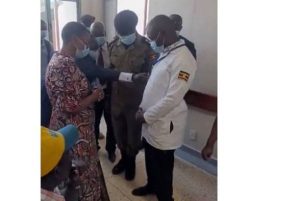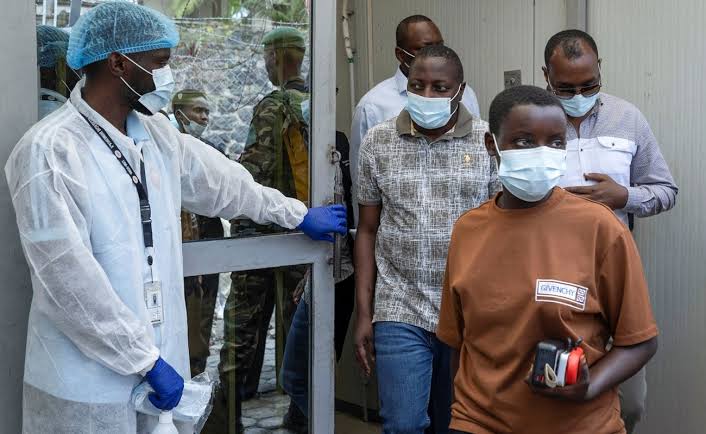
The Ministry of Health has confirmed two new Ebola cases in Uganda, raising fresh concerns among citizens and health authorities across the country. The latest development brings the total number of confirmed Ebola cases to nine, signaling the continued need for vigilance and strict adherence to public health guidelines.
The announcement has triggered anxiety in several communities, especially as Ugandans continue to remember previous Ebola outbreaks that claimed lives and disrupted social and economic activities. Health officials, however, have urged the public to remain calm and avoid spreading misinformation.
According to the Ministry of Health, surveillance teams are actively monitoring the situation and working around the clock to identify, trace, and monitor all individuals who may have come into contact with confirmed patients. This process is considered one of the most effective methods of containing the spread of the disease.
The confirmation of the two additional cases comes after extensive testing and laboratory investigations conducted by health experts. Authorities say the patients are currently being managed under strict isolation and treatment protocols to prevent further transmission.

Health officials have reassured the public that Uganda’s Ebola response system remains active and capable of handling emerging cases. Over the years, the country has gained valuable experience in responding to infectious disease outbreaks, including Ebola and other public health emergencies.
Medical experts emphasize that early detection remains one of the most important tools in controlling Ebola. Individuals experiencing symptoms such as fever, severe headache, muscle pain, vomiting, diarrhea, fatigue, or unexplained bleeding are encouraged to seek immediate medical attention.
The Ministry of Health has also intensified public awareness campaigns aimed at educating communities about Ebola prevention measures. These campaigns are being conducted through radio stations, television programs, social media platforms, and community outreach activities.
Authorities have reminded the public to maintain proper hygiene practices, including frequent hand washing with soap and clean water. Hand sanitizers are also being encouraged, particularly in public places where many people gather.
In areas where cases have been identified, health workers have stepped up screening and monitoring activities. Community health teams are working closely with local leaders to ensure residents receive accurate information and cooperate with response efforts.
The latest cases have reignited concerns among travelers and business operators who fear possible restrictions if the outbreak expands further. However, government officials have not announced any major travel restrictions at this stage.

Several hospitals and health facilities across the country have reportedly been placed on high alert. Medical personnel are being reminded to strictly follow infection prevention and control measures while handling suspected cases.
Public health experts say that fear and panic can sometimes become as dangerous as the disease itself. They are encouraging Ugandans to rely on information from official sources rather than rumors circulating on social media.
Families of individuals who may have been exposed to confirmed cases are being advised to cooperate with health authorities. Contact tracing remains critical in preventing further spread and ensuring potential cases are identified early.
Meanwhile, development partners and international health organizations are closely monitoring the situation. Uganda has previously received support from various global agencies during public health emergencies, and similar cooperation may be strengthened if necessary.
The confirmation of additional cases serves as a reminder that infectious diseases can emerge unexpectedly and spread quickly if not contained. Experts continue to stress the importance of community participation in disease prevention efforts.
Schools, churches, markets, and other public gathering places are being encouraged to maintain hygiene measures and report any suspected cases immediately. Early reporting significantly increases the chances of successful containment.

Local leaders have also joined the response by encouraging residents to remain alert while avoiding unnecessary panic. They are urging communities to support health workers and follow all official guidance issued by authorities.
The Ministry of Health has promised to provide regular updates as investigations and response activities continue. Officials say transparency remains important in ensuring public confidence and cooperation during the outbreak response.
Although the number of confirmed cases remains relatively limited, health experts warn that every new case requires serious attention. They note that rapid intervention is essential to prevent isolated infections from developing into a larger outbreak.
As Uganda confronts this latest public health challenge, citizens are being urged to stay informed, observe recommended health measures, and seek medical help whenever symptoms appear. With coordinated efforts between government, health workers, and the public, authorities hope to contain the outbreak and prevent further infections.