Frank Gashumba’s public challenge to Uganda’s self-proclaimed miracle workers has sparked a heated debate about religion, accountability and the growing concerns surrounding claims of miraculous healing. The outspoken media personality offered Shs500 million to anyone who could demonstrate verifiable healing powers, particularly by healing critically ill patients. However, instead of witnessing a successful demonstration that could settle the debate, the challenge has been followed by a war of words, prophecies and curses directed at Gashumba by some religious leaders.
Gashumba has maintained that his criticism is not directed at God or Christianity but at individuals he believes exploit vulnerable believers in the name of religion. He argues that people suffering from serious illnesses deserve honesty and should not be persuaded to spend their money on promises of miraculous healing without credible evidence. His position has attracted attention from Ugandans who are questioning the practices of some religious leaders and demanding greater accountability from those who publicly claim extraordinary spiritual powers.
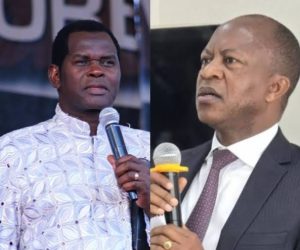
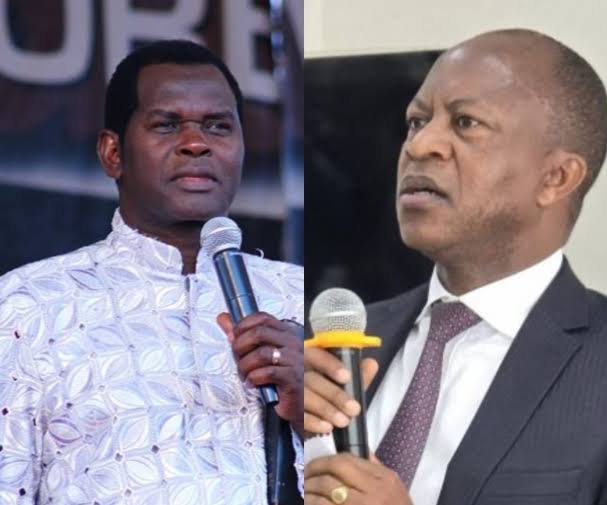
Among the religious figures drawn into the controversy is Pastor Robert Kayanja of Miracle Centre Cathedral, who reportedly criticised Gashumba over his challenge and remarks about miracle workers. The confrontation intensified after statements attributed to the pastor suggested that Gashumba could face serious consequences, including claims that his own blood would turn against him. Other dramatic predictions and references to curses have also featured in the wider debate, further raising questions about the way disagreements between religious leaders and their critics are being handled.
Despite the escalating exchanges, the central question remains whether anyone can demonstrate the healing powers being claimed. Gashumba’s supporters argue that a challenge involving a substantial financial reward should provide an opportunity for anyone confident in their abilities to present verifiable evidence. They believe that publicly documented results would help distinguish genuine claims from unsubstantiated promises. However, medical professionals and independent observers would need to be involved in any credible assessment of claims involving serious illnesses.

The controversy has also drawn attention to the financial vulnerability of people who seek help for conditions such as cancer and HIV. Families facing expensive treatment and prolonged suffering can become desperate for hope, making them particularly susceptible to promises of miraculous recovery. Critics of questionable religious practices argue that believers should not be pressured into abandoning medical care or spending their last savings on assurances that cannot be substantiated. They insist that faith and responsible medical treatment should not be presented as mutually exclusive choices.
Pastor Moses Solomon Male is among the religious voices associated with calls for greater accountability in the discussion surrounding miracle claims. The broader debate has also revived questions about the responsibilities of religious leaders when making extraordinary promises to their congregations. While believers have the freedom to practise their faith, critics maintain that public claims about healing should be open to reasonable scrutiny, especially when they influence the financial and medical decisions of vulnerable people.
The biblical passages being cited in the dispute have further intensified the argument, with references to false prophets and the consequences of failed prophecies appearing in public discussions. However, the exchange has moved beyond theology into a wider question of public responsibility. Gashumba’s supporters believe that threatening a critic with death or misfortune does not answer legitimate questions about healing claims. They argue that the strongest response would be to provide credible evidence rather than engage in personal attacks or predictions about another person’s future.
For now, the Shs500 million challenge remains a focal point in the national conversation about faith, accountability and the protection of vulnerable Ugandans. Gashumba has continued to stand by his position despite the backlash, while the controversy surrounding some miracle claims shows little sign of disappearing. Whether a claimant eventually accepts the challenge or not, the debate has placed an important question before the public: should extraordinary promises made in the name of religion be accepted without scrutiny? For Gashumba and his supporters, the answer is clear—faith deserves respect, but claims that can affect people’s health, finances and lives must also be treated with responsibility.