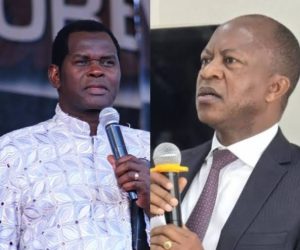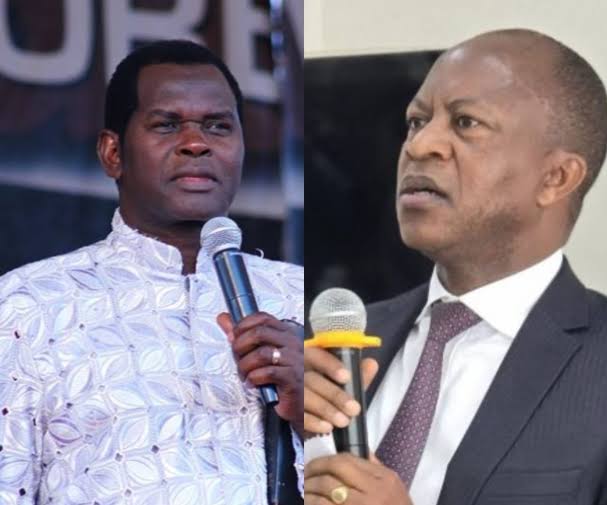
Robert Kayanja Jr, son of Rubaga Miracle Centre Cathedral lead pastor Robert Kayanja, has revealed that their church is audited by the Uganda Revenue Authority (URA), following a social media exchange with media personality Sheilah Gashumba about financial transparency in religious institutions.
The discussion began after Gashumba, daughter of media commentator Frank Gashumba, questioned why some churches appeared to lack the financial transparency expected of companies, hospitals and charitable organisations. She argued that religious institutions should also be accountable for how they manage the money entrusted to them by their followers.
“If big companies, charity organizations, hospitals can be audited for transparency then why do most churches lack transparency!” Gashumba asked in her post.
She further argued that questioning the financial practices of religious institutions should not be viewed as an attack on faith or opposition to God. According to her, asking questions about how churches collect and spend money is a necessary way of promoting accountability and protecting vulnerable people from possible exploitation.

“Demanding financial transparency and calling out the exploitation of the poor is entirely aligned with standing up for truth,” she said, maintaining that religious leaders should be open to scrutiny over their financial dealings.
Responding to Gashumba, Kayanja Jr said Rubaga Miracle Centre Cathedral undergoes financial scrutiny by URA and must maintain proper financial records. “By the way, we are audited by the URA. We have to give an account and keep our books in order,” he wrote. However, he did not provide details about the scope, frequency or findings of the audits.
The exchange comes amid a wider public debate about financial accountability in churches, particularly following controversy surrounding Frank Gashumba’s reported Shs500 million challenge involving claims of miraculous healing. The discussion has raised questions about faith healing, the role of money in religious ministries and the responsibility of religious leaders to account for claims made to their followers.
While Kayanja Jr’s response points to tax compliance and the keeping of financial records, a URA audit does not necessarily mean that a church makes its full financial statements publicly available. Tax compliance and broader transparency about donations, income, expenditure and the use of church funds are separate aspects of accountability.
The exchange has therefore brought renewed attention to the need for financial openness in religious institutions. Although Kayanja Jr says his family’s ministry is audited by URA, no audit reports or financial documents were presented in the exchange to establish the wider extent of the church’s financial disclosures to congregants or the public.