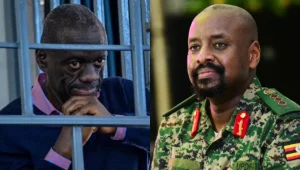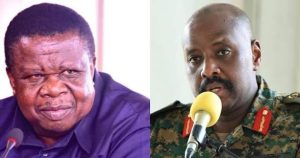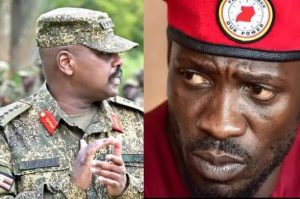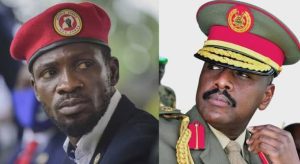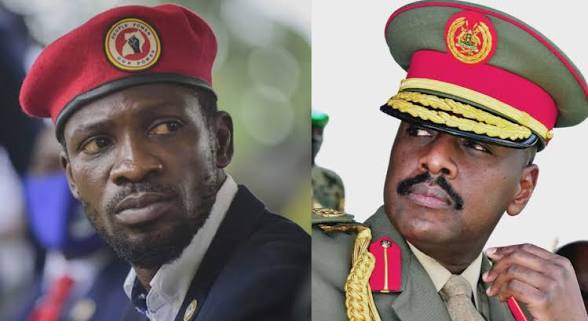
The Uganda People’s Defence Forces (UPDF) has accused Western media organisations of running what it described as an anti-Muhoozi campaign while allegedly favouring opposition leader Robert Kyagulanyi Ssentamu, popularly known as Bobi Wine, as a potential successor to President Yoweri Museveni. The army insists that Uganda’s next president will be chosen by Ugandans, not foreign journalists or media organisations.
In a statement issued on October 10, 2026, acting Director of Defence Public Information Col Chris Magezi criticised a New York Times article by Megan K. Stack titled “The Authoritarian Future Is Already Here,” published on October 8. Magezi accused the writer of repeating opposition and activist narratives while making what he described as unfounded allegations against Gen Muhoozi Kainerugaba, the Chief of Defence Forces and Senior Presidential Advisor for Special Operations.
Magezi cited previous publications by The Telegraph, The Wall Street Journal and The Economist as examples of what he considered a sustained campaign against Muhoozi. He argued that the reports were sensational and lacked substance, although he did not provide evidence establishing that the publications were coordinating their coverage or working towards a shared political objective.

“What is clear though is that General Muhoozi Kainerugaba is not their preferred successor of choice to a post-Museveni Uganda,” Magezi said. He added that Western media would rather have Bobi Wine or someone with similar political views in power, but maintained that the country’s political future would ultimately be determined by its citizens.
The UPDF also strongly disputed allegations attributed to exiled Ugandan writer Kakwenza Rukirabashaija in the New York Times article. Kakwenza reportedly alleged that Muhoozi visited him during detention, subjected him to humiliating treatment and later offered him money to remain silent about alleged abuse. His account also included claims that beatings left him with serious injuries and scars.
Magezi rejected the allegations and insisted that Muhoozi had never met Kakwenza. He questioned aspects of the reported account and attacked the writer’s credibility, describing the allegations as fabricated. However, the statement did not provide independent evidence to establish that the alleged encounters never occurred, leaving the competing accounts disputed in the material presented.
The army spokesperson also defended Muhoozi’s military career, arguing that his service and achievements should not be judged solely through media reports and controversial social media remarks. Magezi maintained that serious allegations of human rights abuses require credible evidence and proper verification rather than accounts he characterised as politically motivated. He also described Uganda as a constitutional and democratic country whose institutions should be considered when assessing claims against its leaders.
Magezi further defended the UPDF, saying it operates within Uganda’s laws and would continue supporting civilian authorities when required, including in maintaining law and order. He pledged that military personnel who break the law would face disciplinary measures and accountability, while noting that Ugandan courts remain available to hear cases where evidence is presented.
The statement concluded with a warning against foreign involvement in Uganda’s internal affairs. “Lastly, what will not be tolerated is external interference in the affairs of Uganda,” Magezi said. His remarks come amid debate over Uganda’s political future after Museveni, who has governed the country since 1986, and Muhoozi’s public role. While the UPDF accused Western media of favouring Bobi Wine over Muhoozi, its statement did not establish evidence of a coordinated foreign campaign to influence Uganda’s future leadership.