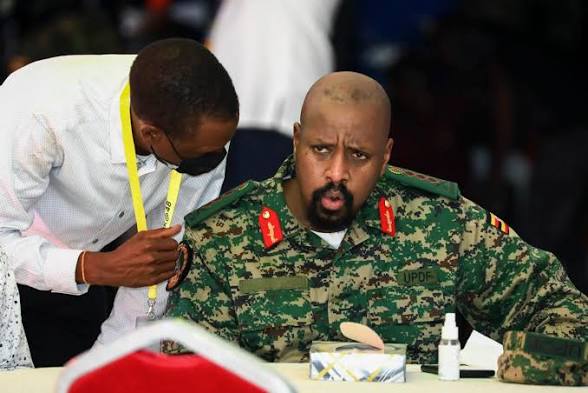
Gen Muhoozi Kainerugaba has drawn widespread attention after making strong remarks referencing Turkey, suggesting that Ugandan forces are not intimidated and that certain demands should be met in ongoing or implied diplomatic and military discussions.
The comments have quickly circulated and sparked debate among observers of Uganda’s foreign relations and military communication style.
In the statement, Gen Muhoozi suggested that “the Turkish went silent,” a phrase that has been interpreted by many as a reference to strained or tense communication between Uganda and Turkish interests.
He further emphasized confidence in Uganda’s military strength, stating that Ugandan forces are “real men” who do not fear external pressure.

The remarks, which were widely shared on social media, included language implying that demands should be fulfilled or consequences would follow.
This tone has triggered mixed reactions from members of the public, political commentators, and those observing Uganda’s diplomatic posture.
Some supporters of the General interpreted the statement as an expression of confidence in Uganda’s armed forces and a reflection of national pride.
They argue that the UPDF has built a strong reputation over years of regional deployments and peacekeeping operations.
Others, however, have expressed concern about the use of confrontational language in matters involving international relations. They warn that such statements, if taken literally, may create unnecessary tension between countries and complicate diplomatic engagement.
Foreign policy analysts note that Uganda maintains diplomatic and economic relations with Turkey in various sectors, including trade, construction, and development cooperation. They argue that official state communication typically follows structured diplomatic channels rather than public warnings.

Security experts also point out that modern military communication between nations is usually handled through established defense and foreign affairs institutions. Public statements by senior figures can sometimes be interpreted in multiple ways depending on context and wording.
Within Uganda, the remarks have fueled debate about the intersection between military leadership and political communication. Some analysts say such statements reflect a growing trend of informal or direct messaging by high-ranking officials on social media platforms.
Others believe the comments may be aimed at projecting strength and deterrence rather than signaling any immediate military action. They argue that rhetoric of this nature is often symbolic and intended for domestic audiences.
Civil society commentators have called for careful consideration in how leaders communicate sensitive international matters. They emphasize that language used in public forums can influence public perception and diplomatic relationships.
At the same time, supporters of the UPDF continue to highlight the institution’s history of discipline and operational success in regional peacekeeping missions. They say confidence in national defense capabilities is a normal aspect of state sovereignty.
Observers also note that Uganda and Turkey have engaged in cooperative arrangements in the past, including trade discussions and investment interests. They suggest that maintaining respectful diplomatic tone is important for sustaining such relationships.

The statement has also generated online discussions, with users debating whether the remarks should be interpreted literally or figuratively. Social media reactions have ranged from strong support to criticism of the language used.
Political commentators caution that while strong rhetoric may resonate with some audiences, it can also lead to misunderstandings if not clarified by official government communication channels.
As the debate continues, no formal statement has been issued by the Ministry of Foreign Affairs regarding the comments. Analysts expect that if necessary, clarification may come through official diplomatic communication rather than public platforms.
For now, the remarks remain part of a broader conversation about leadership communication style, military confidence, and Uganda’s positioning in international affairs. The discussion highlights the balance between expressing national strength and maintaining diplomatic caution in a globally connected environment.