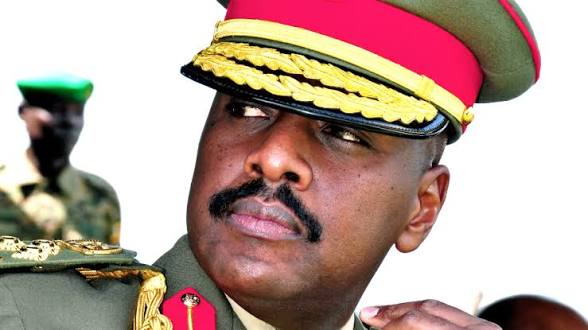
A strong message has been issued to Ugandans by Muhoozi Kainerugaba, advising citizens to avoid traveling to Turkey due to unspecified safety concerns.
The statement, which quickly spread across social media platforms, has sparked widespread discussion and concern among Ugandans both at home and abroad. Many are now questioning what may have prompted such a serious warning.
In his message, Muhoozi emphasized that the advisory is for the safety of Ugandans, urging them to reconsider any planned trips to Turkey until further notice. However, he did not provide detailed reasons behind the caution.
The lack of specifics has led to speculation, with some citizens trying to interpret whether the warning is based on intelligence reports, diplomatic tensions, or other security-related issues.
Turkey is a popular destination for many Ugandans, particularly for business, tourism, education, and medical travel. The advisory, therefore, could have significant implications for those with planned engagements in the country.
Travel agencies and businesses that rely on connections with Turkey may also feel the impact of such a statement, especially if it influences public perception and travel decisions.

Some Ugandans have welcomed the warning, arguing that it is better to take precautionary measures when safety is concerned, even if full details are not immediately available.
Others, however, have expressed concern over the absence of clear information, noting that such statements can create fear and uncertainty without proper context.
Analysts suggest that travel advisories from high-profile figures often carry weight and can influence public behavior, even in the absence of official government policy changes.
The Ugandan government has yet to issue a formal statement either supporting or clarifying Muhoozi’s remarks, leaving many to wonder whether this reflects an official position.
Diplomatic relations between countries can sometimes shift quickly, and observers are closely watching for any developments that might explain the advisory.
Some citizens have called on authorities to provide clear guidance, especially for those currently in Turkey or planning urgent travel.
The situation also highlights the importance of verifying travel information through official government channels before making major decisions.
Meanwhile, Ugandans living in Turkey may be feeling uneasy following the statement, as they seek reassurance about their safety and status.

There are also concerns about how such remarks could affect relations between Uganda and Turkey if not addressed through diplomatic communication.
Social media reactions have been mixed, with some users supporting the caution while others demand transparency and accountability from leaders.
Experts emphasize that travel decisions should be based on reliable and verified information, including official advisories from relevant authorities.
As discussions continue, many Ugandans are choosing to adopt a wait-and-see approach, postponing travel plans until more clarity is provided.
The statement has undoubtedly drawn attention to the importance of safety in international travel and the role of leadership in guiding citizens.
For now, the message remains a strong caution, and its full implications will likely depend on further explanations or actions from the government.
Ugandans are now left watching closely, hoping for clear communication that will help them make informed decisions about travel and safety.