The recent remarks by Muhoozi Kainerugaba have sparked widespread debate and concern across Uganda and beyond.
His statements, shared online, have drawn strong reactions from the public, political leaders, and civil society groups.
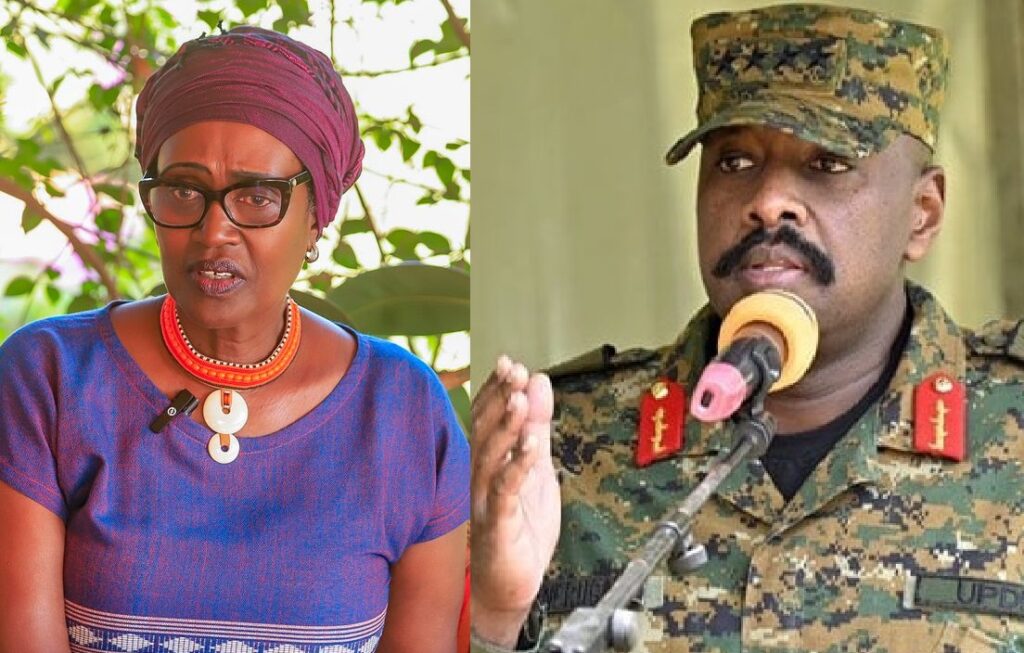
In his comments, Muhoozi made claims about past events involving his father, Yoweri Museveni, and Winnie Byanyima.
He also issued threats that many people have described as inappropriate and alarming.
Winnie Byanyima is a well-known political figure in Uganda and internationally. She is married to opposition leader Kizza Besigye, who has contested against President Museveni in several elections.
Over the years, Byanyima has been vocal on issues of governance, human rights, and international relations.
She has also supported her husband throughout his political struggles, including arrests and legal battles.
The controversy began after Byanyima criticized statements made by Muhoozi regarding international matters. She expressed concern about how Uganda’s image was being portrayed on the global stage.
Her comments appeared to trigger a strong reaction from Muhoozi, who responded with harsh and personal remarks. These statements quickly spread on social media and attracted public attention.
Many Ugandans have expressed shock at the tone of the comments. Some believe that such statements, especially from a senior military officer, are not appropriate.
Others have raised concerns about the normalization of violent language in public discourse. They argue that leaders should promote respect and responsible communication.
The issue has also brought back discussions about the historical relationship between Byanyima and President Museveni. Byanyima has in the past openly spoken about their past connection.
However, she has previously called for restraint when the topic is raised, especially by members of the president’s family. She has urged that such matters be handled with maturity.
Muhoozi, who serves in a top military role, is known for his active presence on social media. He often shares strong opinions on political and international issues.
His online activity has sometimes caused diplomatic concerns, particularly when commenting on foreign countries and conflicts. This latest incident has added to that pattern.
Supporters of Byanyima have condemned the remarks and called for accountability. They emphasize the importance of protecting women from threats and abusive language.

On the other hand, some supporters of Muhoozi have defended him, saying his statements were emotional reactions rather than serious threats.
Civil society organizations have also weighed in, calling for respectful dialogue among leaders. They stress that public figures have a responsibility to set a good example.
The situation highlights the growing influence of social media in shaping political conversations. Statements made online can quickly escalate and reach a wide audience.
It also raises questions about leadership, communication, and the boundaries of political expression. Many believe that leaders should focus on unity rather than division.
For now, the debate continues as Ugandans reflect on the impact of such statements. The incident has become a major talking point in both political and social circles.
As discussions go on, many are calling for calm and constructive engagement. They hope that future conversations will be guided by respect and responsibility.
This episode serves as a reminder of the power of words. In leadership, what is said can influence not just opinions, but the direction of a nation’s discourse.