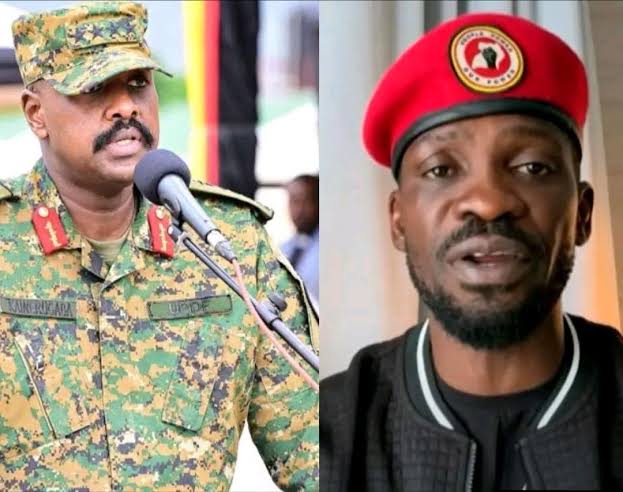
A controversial statement linked to Bobi Wine has stirred intense debate across Uganda, after claims emerged suggesting that only “Mzee” could have ordered security forces to withdraw from his residence. The remark, which carries a strong tone, has once again placed Uganda’s political environment under scrutiny, drawing attention to the ongoing tensions between opposition figures and state authorities.
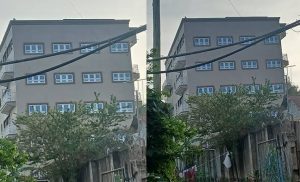
The statement also included a striking claim that there had been intentions to hold onto the property indefinitely and even auction it off. Such words have shocked many observers, as they suggest a level of action that goes far beyond normal law enforcement procedures and raises serious questions about authority, legality, and political motives.
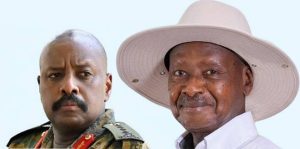
In Uganda’s political language, the term “Mzee” is widely understood to refer to Yoweri Museveni, the long-serving head of state. This has led many to interpret the statement as pointing directly to the highest level of leadership in the country, adding further weight and sensitivity to the matter.
The mention of Bobi Wine as “criminal” in the statement has also fueled controversy, as his supporters strongly reject such labels. To them, he is not only a political leader but also a symbol of resistance and change, making such characterizations deeply offensive and politically charged.
Over the years, Bobi Wine has become one of the most prominent opposition voices in Uganda. His rise from musician to politician has attracted a large following, especially among young people, and positioned him as a key challenger in the country’s political landscape.
Incidents involving his home have previously drawn national and international attention, often becoming flashpoints for broader discussions about political freedom, human rights, and the role of security forces in Uganda.
The latest statement has revived those conversations, with many questioning what really happened and whether proper procedures were followed during the operation referenced. The idea of seizing or controlling private property for extended periods has particularly raised legal and ethical concerns.

Supporters of the opposition argue that such actions, if true, point to a worrying trend where state power is used to intimidate political opponents. They believe that such incidents undermine democracy and weaken public trust in institutions.
On the other hand, some voices have defended security operations in politically sensitive situations, arguing that authorities must act decisively to maintain order and stability. However, even among these supporters, there is debate about how far such actions should go.
Legal experts have weighed in on the matter, noting that any attempt to hold or auction private property would require clear legal backing. Without due process, such actions could be challenged in court and potentially ruled unlawful.
The tone of the statement itself has also been a topic of discussion. Many observers have pointed out that the language used reflects deep political divisions and highlights the intensity of Uganda’s current political climate.
For ordinary citizens, the situation is both confusing and concerning. While some follow the developments closely, others worry about what such tensions mean for the country’s stability and future.
The international community has often shown interest in Uganda’s political developments, especially when they involve high-profile figures like Bobi Wine. Statements like these are likely to attract further attention beyond the country’s borders.

Political analysts suggest that such moments can have lasting effects, shaping public opinion and influencing future political strategies. They note that narratives built around incidents like this can either strengthen or weaken political positions.
As the story continues to unfold, there are growing calls for clarity and transparency. Many believe that a clear explanation from relevant authorities would help calm tensions and provide a better understanding of what actually took place.
There is also a broader conversation emerging about the balance between security and civil liberties. This issue is not unique to Uganda, but it is particularly sensitive in countries with active political competition.
For Bobi Wine’s supporters, the statement reinforces their belief that he is being unfairly targeted. For others, it raises questions about how political conflicts are managed and communicated to the public.
The role of leadership remains central in this discussion. References to “Mzee” highlight how much influence is attributed to the presidency and how decisions at the top are perceived to shape events on the ground.
As debates continue across media platforms and public spaces, one thing is clear—this statement has reignited strong emotions and reopened discussions about power, politics, and accountability in Uganda.
In the end, whether seen as a reflection of reality or political rhetoric, the remarks have once again placed Uganda’s political dynamics in the spotlight, leaving many watching closely for what happens next.