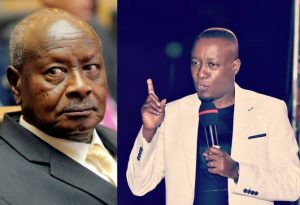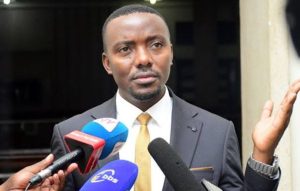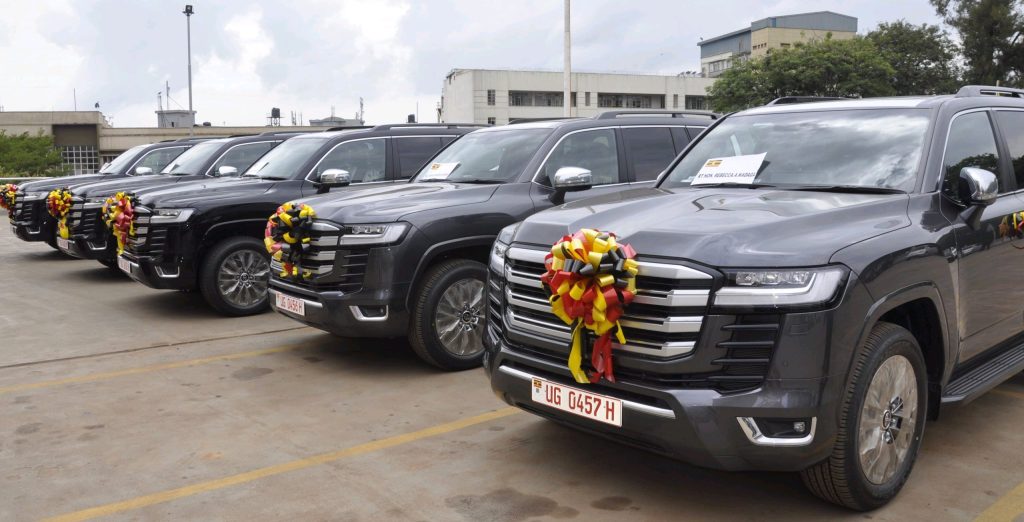
Bukoto West Member of Parliament, Muhammad Mayanja Ssentayi, has spoken out about the Parliament’s plan to allocate UGX 300 million to each member of the 12th Parliament for purchasing vehicles.
The NRM legislator says the proposed amount is inadequate for MPs to carry out their duties effectively over a full five-year term.
Ssentayi, in an interview with UBC TV, explained that cars, unlike land, are depreciating assets. While land generally increases in value over time, vehicles lose value quickly, and this depreciation is accelerated by Uganda’s poor road conditions.
“A car is not like land which appreciates. It depreciates, and on our roads, it depreciates even faster,” Ssentayi said. He stressed that the constant wear and tear on vehicles in Uganda significantly reduces their reliability over time.
The MP noted that frequent travel is a core part of an MP’s work. Legislators are expected to move between Kampala, where Parliament sits, and their constituencies to oversee government projects and engage with citizens.
Ssentayi said that he personally travels to Bukoto West constituency at least once a week. This amounts to roughly four long trips each month, putting heavy strain on the vehicles they drive.
Because of such frequent long-distance travel, he argued, cheap vehicles may not remain dependable over the full five-year parliamentary term. MPs need cars that are durable and capable of handling Uganda’s challenging road network.

The Bukoto West legislator also highlighted the importance of public perception and dignity.
He argued that the vehicles MPs drive should reflect their status and the responsibilities they carry as public representatives.
“You can’t expect an MP to be driven in a Passo or a Toyota Wiish,” Ssentayi said. “Parliament should give us at least UGX 500 million so that we can buy vehicles that can serve us for the five years.”
He recalled that during the 11th Parliament, MPs were allocated slightly over UGX 200 million for vehicle purchases. According to Ssentayi, the vehicles bought then have already significantly depreciated due to constant use and road conditions.
This, he said, demonstrates that previous allocations were insufficient to maintain reliable transport for the demands of parliamentary work, which involves frequent travel and oversight duties.
Parliament now plans to give each MP about UGX 315 million to purchase vehicles. Despite the slight increase from the 11th Parliament’s allocation, Ssentayi maintains that the amount is still far below what is realistically needed.
“The UGX 300 million they are giving us is not enough to enable us to carry out our oversight role over a period of five years,” he said. He believes that the grant should be increased to at least UGX 500 million to meet the practical needs of MPs.
He added that cars capable of withstanding the current road conditions in Uganda, especially for long trips, are expensive. Investing in such vehicles ensures that MPs can carry out their duties without frequent breakdowns or maintenance challenges.
Ssentayi’s comments have sparked debate among citizens and other politicians. Critics argue that allocating such large sums for MPs’ vehicles is extravagant, especially in a country where many citizens struggle with basic needs.
Supporters of Ssentayi’s position, however, say that reliable vehicles are essential for MPs to perform their work effectively. The MPs’ role requires constant travel and presence in both their constituencies and the capital city.

Vehicle costs in Uganda have also increased in recent years. Import duties, inflation, and the need for durable cars suitable for rough terrain make quality vehicles expensive and sometimes unaffordable on the current grant.
Ssentayi believes that the debate is not just about money but also about ensuring that MPs can perform their work responsibly. Without reliable vehicles, the effectiveness of parliamentary oversight could be compromised.
The discussion highlights the broader issue of parliamentary allowances and the balance between public perception and practical needs. While citizens may see the grants as excessive, MPs argue they are necessary to fulfill their constitutional duties.
As Parliament moves forward to finalize the vehicle grant, all eyes are on whether lawmakers will approve Ssentayi’s recommendation or stick to the UGX 315 million allocation. The decision could have lasting implications for parliamentary logistics.
This debate could also set a precedent for future parliamentary sessions, determining how legislators are equipped for their work while maintaining accountability to the public. MPs may need to balance personal comfort, dignity, and the practical necessities of long-distance travel in Uganda.
For now, Ssentayi remains firm in his view that UGX 300 million is insufficient and that UGX 500 million is a realistic amount to allow MPs to buy vehicles that will serve them efficiently for the entire five-year term. The conversation continues, with the public watching closely to see how Parliament will respond.