Uganda’s persistent electricity blackouts have sparked fresh anger in Parliament, with lawmakers demanding the removal of former UMEME employees from the Uganda Electricity Distribution Company Limited (UEDCL). The MPs argue that the government must take decisive action to restore reliable electricity supplies as households, businesses and industries continue to struggle with frequent power interruptions. The demand emerged during a heated meeting of Parliament’s Natural Resources Committee, where electricity sector officials faced tough questions about the slow improvement of the country’s power distribution system.
Lawmakers questioned why UEDCL continues to experience operational challenges months after taking over electricity distribution from UMEME in April 2025. More than 60 percent of UEDCL’s workforce reportedly comprises former UMEME employees who joined the state-owned company following the end of the private concession. Acting Managing Director Eng. Joselynne Rwabwogo Rwakakoko is also among the former UMEME staff. Some MPs now want the government to investigate whether retaining the former workforce has affected the performance of the new arrangement, although no evidence was presented to prove that the employees are deliberately sabotaging UEDCL.
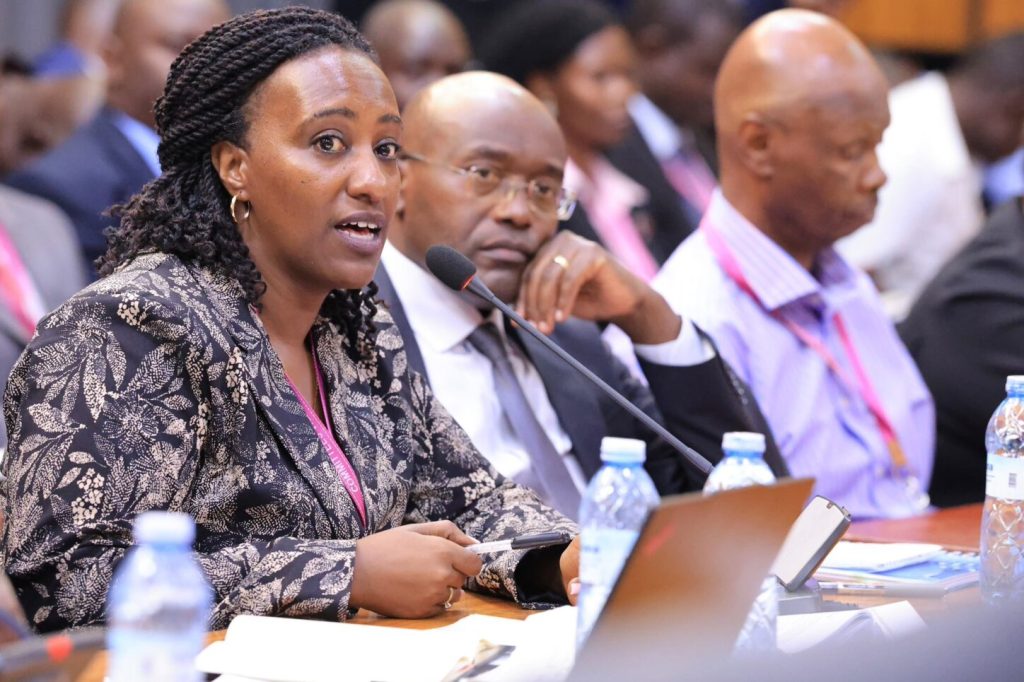
The legislators were also alarmed by revelations concerning funds meant to improve electricity distribution across the country. During the meeting, Electricity Regulatory Authority (ERA) Director of Economic Regulation Dr. Geoffrey Okoboi reportedly informed the committee that the government had made $126 million available for distribution improvements, alongside a government-guaranteed $50 million loan from ABSA Bank. However, lawmakers were told that UEDCL had utilised only about $1.5 million, prompting questions about why the money had not translated into visible improvements for electricity consumers.
UEDCL management reportedly defended the slow spending, pointing to challenges in securing equipment from local suppliers under the Buy Uganda, Build Uganda policy. Officials explained that some local businesses lacked the capacity to provide essential materials, including transformers, in the required quantities, quality and time. The explanation did little to calm the legislators, who questioned why procurement challenges were continuing while communities remained without dependable electricity. MPs insisted that the company needed to find practical solutions instead of allowing administrative and supply problems to prolong the suffering of consumers.

The committee also turned its attention to ERA, questioning whether the regulator had contributed to the current challenges by restricting investments before UMEME’s exit. Committee Chairperson Dan Kimosho challenged Okoboi to explain why UEDCL had allegedly been prevented from making network improvements before April 2025, when UMEME was still responsible for electricity distribution. According to the account of the meeting, Okoboi cited regulatory restrictions, but lawmakers remained dissatisfied with the explanation. They questioned whether the transition could have been better planned to prevent the current difficulties.
MPs further blamed the unreliable electricity supply on ageing infrastructure, overloaded transformers, poorly maintained substations and growing demand. Uganda’s electricity customer base reportedly increased from approximately 1.6 million in 2021 to 2.78 million in 2026, putting additional pressure on the distribution network. Officials also cited vandalism of electricity equipment as another factor affecting reliable supply. For lawmakers, these challenges raise concerns about whether the necessary investments and preparations were made to ensure that the transfer from UMEME to UEDCL would benefit consumers rather than leave them facing prolonged outages.
Several legislators shared complaints from their constituencies, describing how electricity interruptions are affecting daily life and economic activity. Buliisa County MP Allan Atugonza said residents and businesses in Biso Town Council sometimes spend several days without power. Kimosho also complained about prolonged outages in his Kazo area, while Busiro North MP Moses Mayanja raised concerns about unreliable electricity access in parts of Wakiso District. The MPs argued that the situation was becoming increasingly unacceptable, especially for traders and businesses that depend on consistent electricity to operate and serve customers.
Mayanja and other lawmakers consequently called for a purge of former UMEME employees from UEDCL, arguing that the government must determine whether the existing workforce is delivering the results expected from the state-owned distributor. However, the meeting did not establish that former UMEME employees were responsible for the blackouts, and the sabotage allegations remain unproven. The pressure is now on UEDCL and the relevant sector authorities to explain the slow utilisation of available funds, address infrastructure weaknesses and improve electricity reliability. For millions of Ugandans frustrated by recurring power cuts, the most important outcome will be a distribution system that delivers dependable electricity rather than continued promises of improvement.