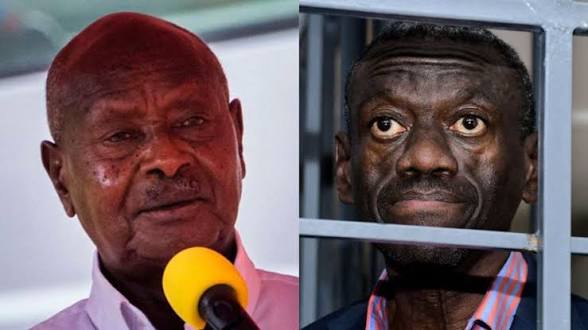
Justice Minister Norbert Mao has rejected calls by opposition leaders to make the unconditional release of political detainees and the return of Ugandans living in exile mandatory conditions for the proposed national dialogue, insisting that the contentious issues should instead be addressed during negotiations between the government and opposition.
Mao argued that insisting on the release of detained political actors before talks can begin could undermine efforts to bring Uganda’s political players together to discuss reforms, national unity and the country’s future. He maintained that disagreements over political detentions should not prevent the broader dialogue process from taking off.
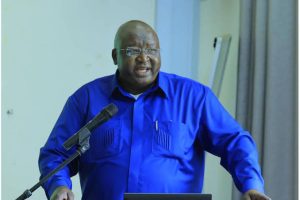
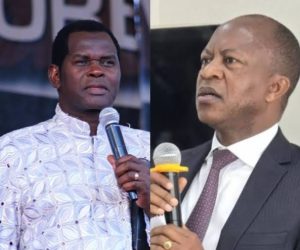
The minister made the remarks at the conclusion of a two-day retreat for political party leaders organised by the Netherlands Institute for Multiparty Democracy at Crested Crane Hotel in Jinja City. During the meeting, opposition representatives insisted that individuals detained in politically related cases should be released and Ugandans in exile allowed to return before substantive negotiations commence.
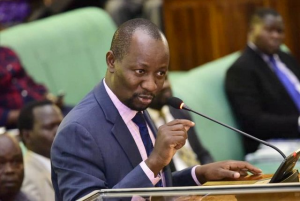
Among the leaders who raised the concerns were Justice Forum (JEEMA) president Asuman Basalirwa and Democratic Front national chairman Samuel Walter Lubega Mukaaku. They argued that excluding affected political actors from the proposed discussions could weaken the credibility of the dialogue and undermine its ability to address the country’s political challenges.

Although Mao acknowledged the legitimacy of the opposition’s concerns, he cautioned against demanding the release of suspects whose cases are already before court as a prerequisite for negotiations. He proposed that the matter be placed on the dialogue agenda, with the government seeking guidance from the Director of Public Prosecutions on the cases involving the detained individuals.
Beyond the disagreement over political detainees, the Jinja retreat also examined a proposed consociational democracy framework intended to promote political inclusion, cooperation and power-sharing. Professor Ogenga Otunnu presented a 120-page proposal that participants adopted and forwarded to the National Consultative Forum for further consideration. The framework is designed to accommodate different political and social groups within the country’s governance structures.
Mao also called for legal and constitutional reforms to improve parliamentary representation and safeguard the independence of the Electoral Commission. He argued that constituency representation should better reflect population differences, citing Kampala City as an example of an area where some constituencies have large populations but comparatively limited representation. He further emphasised the need to ensure that Electoral Commission members serve independently and remain committed to the Constitution and the country.
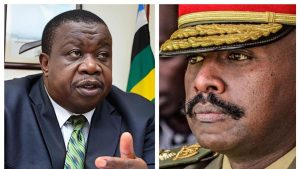
The minister also revealed that President Yoweri Museveni had read the proposals drafted by Professor Ogenga in collaboration with Gen Salim Saleh and was comfortable with their contents. However, as the National Consultative Forum prepares to consider the framework further, the disagreement over political detainees and Ugandans living in exile remains unresolved, exposing a major challenge that negotiators will have to address if the proposed national dialogue is to bring government and opposition leaders together.