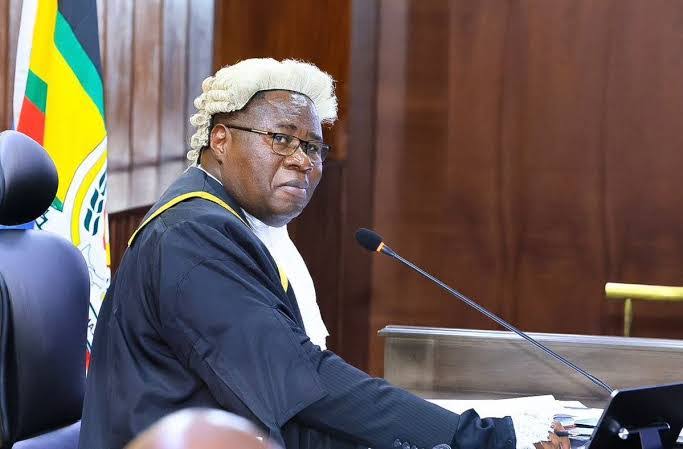
Speaker of Parliament Jacob Marksons Oboth has suspended the enforcement of the charcoal-use ban pending a comprehensive report from the government, which is expected to be presented to Parliament next Wednesday.
Oboth said the decision was intended to give government an opportunity to explain how the ban would be implemented and address the challenges likely to arise during enforcement. His announcement comes amid concerns about the practical impact of restricting charcoal use.
“I do that not because I support charcoal [use], but because I am aware of how difficult it is going to be for enforcers,” Oboth said, explaining the reasoning behind his decision.
The Speaker’s remarks suggest that enforcing the restriction without a clear implementation plan could create difficulties for the authorities responsible for ensuring compliance. The government is now expected to provide Parliament with a detailed report outlining its approach.

Charcoal remains an important source of cooking energy for many Ugandan households, particularly families that cannot easily afford alternative fuels such as electricity and gas. A ban could therefore affect household budgets and daily cooking arrangements if affordable alternatives are not readily available.
At the same time, restrictions on charcoal use are often linked to concerns about deforestation, environmental degradation and the need to protect Uganda’s forests. Balancing environmental protection with the energy needs of ordinary citizens remains a key challenge for policymakers.
The suspension provides the government with additional time to present its position and explain how enforcement would work in practice. Parliament’s consideration of the report could help clarify the responsibilities of enforcement agencies and the measures needed to address public concerns.
The next step will be the government’s presentation to Parliament on Wednesday. Until then, Oboth’s decision pauses the ban’s enforcement, with the wider debate expected to focus on how Uganda can protect its environment without placing an excessive burden on households that depend on charcoal for cooking.