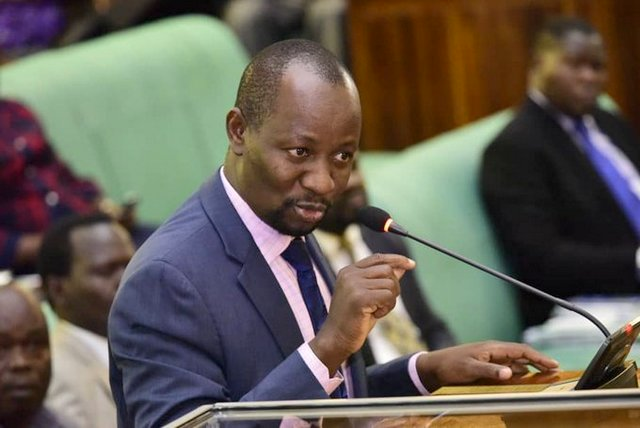
Former Kira Municipality MP Ibrahim Ssemujju Nganda has called on the government to introduce austerity measures to address the country’s current economic challenges. He argues that reducing unnecessary expenditure could help the government manage public resources more responsibly.
Ssemujju believes government spending should be reviewed, especially in areas that are not essential to the delivery of public services. He has pointed to expenses such as special meals and drinks as examples of costs that could be reduced.
According to the former legislator, the government should lead by example by avoiding unnecessary luxury spending at a time when many Ugandans are facing financial pressure. He believes public funds should be directed towards priorities that have a greater impact on citizens.
The call for austerity comes amid continuing concerns about the cost of living, the pressure on household incomes and the need for better management of public finances. Many citizens expect government institutions to demonstrate discipline in the way they use taxpayers’ money.

Reducing spending on non-essential items could help government departments identify savings without immediately affecting important services. However, the impact would depend on the scale of the cuts and whether the savings were redirected towards priority sectors.
Ssemujju’s proposal also raises broader questions about accountability and spending habits within public institutions. Critics of excessive government expenditure have often argued that leaders and public officials should demonstrate financial restraint, particularly when citizens are struggling to meet basic needs.
Austerity measures can involve reviewing allowances, travel costs, official entertainment and other administrative expenses. Any such measures would need clear guidelines to ensure that savings are achieved without undermining essential government operations.
Ssemujju’s message is that government should begin by cutting unnecessary expenditure, including special meals and drinks, as part of a wider effort to manage public resources carefully. Whether authorities will adopt such measures remains to be seen.