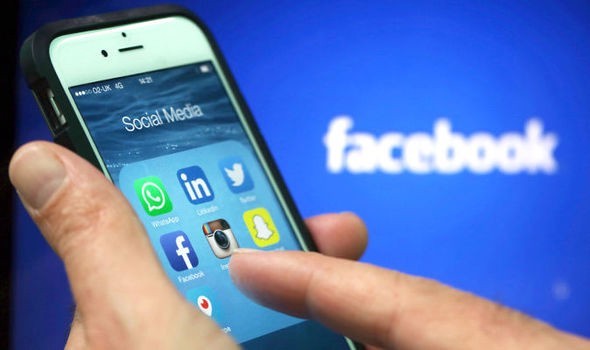
Ugandans woke up to a major development in the country’s digital landscape following reports that access to Facebook has finally been restored, ending a restriction that had lasted for nearly five years and forced millions of users to rely on Virtual Private Networks (VPNs) to access the platform.
The development has generated excitement across the country, with many social media users welcoming what they see as the return of one of the world’s most influential communication and networking platforms.
The restoration was publicly acknowledged by State Minister for Youth and Children Affairs , who expressed gratitude to President for what he described as a significant decision aimed at improving digital engagement and communication.
Balaam praised the President for listening to the concerns of citizens who had for years requested unrestricted access to the social media platform, which remains one of the most widely used online networks globally.
The minister noted that the decision marks an important moment for Uganda’s digital community, especially for young people, entrepreneurs, content creators and businesses that depend heavily on social media for communication and marketing.
For years, thousands of Ugandan businesses have operated Facebook pages that became difficult to manage following the restriction, forcing many users to adopt alternative methods to maintain contact with customers and audiences.

The return of direct access is expected to simplify online interactions, reduce dependence on VPN services and improve the overall user experience for millions of internet subscribers across the country.
However, despite the announcement, confusion remains among sections of the public as many users continue reporting difficulties accessing Facebook through their regular internet connections.
Several social media users indicated that while some networks appeared to have restored access, others were still experiencing disruptions or were unable to connect without VPN assistance.
Technology observers suggest that if the directive has indeed been implemented, internet service providers may require additional time to fully adjust their systems and restore access uniformly across the country.
Others have cautioned against rushing to conclusions, noting that technical transitions of this magnitude often occur gradually rather than instantly across all telecommunications networks.
The reported restoration has reignited public discussion about the role of social media in modern governance, civic participation and economic development.
Supporters of the move argue that unrestricted access to global digital platforms strengthens innovation, promotes entrepreneurship and creates opportunities for young Ugandans seeking to participate in the digital economy.
Facebook remains a critical platform for businesses, media organizations, community groups and public institutions that use it to disseminate information, market products and engage directly with audiences.
The development is also likely to benefit content creators and digital influencers whose livelihoods increasingly depend on maintaining active online communities and reaching audiences through social networking platforms.

In his message to the public, Balaam urged Ugandans to embrace the opportunity responsibly and use social media as a tool for constructive dialogue, national unity and socio-economic transformation.
He emphasized that digital platforms should be used to share knowledge, promote innovation, encourage investment and support government efforts aimed at improving livelihoods and national development.
Political analysts believe the reported restoration could represent a significant shift in Uganda’s digital policy environment, especially at a time when technology continues to shape political discourse, commerce and social interaction around the world.
Many observers say the move could help improve communication between leaders and citizens while providing a broader space for public engagement on national issues affecting communities across the country.
As excitement continues to spread, Ugandans are now closely monitoring developments to determine whether full access has indeed been restored nationwide.
While questions remain about the pace of implementation, the announcement has already sparked optimism among millions who have waited years to access Facebook without relying on workarounds, signaling what many hope will be the beginning of a new chapter in Uganda’s digital journey.