The National Unity Platform (NUP) Member of Parliament, Ibrahim Ssemujju Nganda, has sparked political debate after making candid remarks about the motivations of some opposition-aligned legislators in Uganda.
His comments have since drawn widespread attention across political circles and the public.
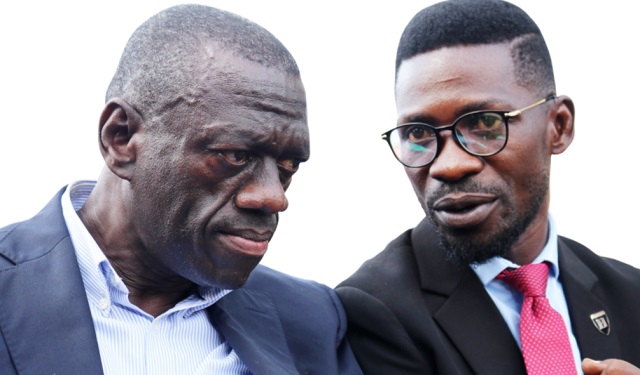
Ssemujju reportedly stated that not all Members of Parliament who align themselves with opposition figures such as Robert Kyagulanyi, popularly known as Bobi Wine, and Dr. Kizza Besigye do so out of ideological belief or shared political conviction.
Instead, he suggested that some legislators associate themselves with these popular opposition leaders primarily for electoral advantage.
According to him, political survival and vote-seeking strategies are driving factors for certain MPs.
He emphasized that while Bobi Wine and Dr. Besigye command strong public support, this popularity has also become a tool that some politicians attempt to leverage for personal gain rather than genuine reform agendas.

Ssemujju is quoted as saying that some MPs are essentially “using” the popularity of opposition leaders to secure votes during elections, rather than fully subscribing to their political ideologies or long-term visions.
He warned that this kind of political behavior poses a challenge to the credibility and unity of opposition politics in Uganda, especially during election cycles when alliances are often fluid and strategic.
His remarks have triggered discussions about the nature of political alliances in Uganda, particularly within opposition parties where cooperation is often necessary to challenge dominant ruling party structures.
Political analysts note that Uganda’s electoral environment often encourages coalition-building, where candidates align with more popular figures to increase their chances of winning parliamentary seats.
However, such alliances are sometimes criticized for lacking ideological consistency, leading to questions about loyalty, commitment, and long-term political goals after elections are concluded.
Ssemujju’s comments also highlight the tension between personal political ambition and collective opposition strategy in Uganda’s multiparty system.
Within opposition politics, Bobi Wine’s National Unity Platform and Dr. Besigye’s long-standing activism have remained influential forces, attracting both committed supporters and strategic allies.
The statement suggests that while these leaders maintain strong grassroots appeal, some political actors may prioritize short-term electoral success over ideological alignment with their movements.
This has raised concerns among observers about the stability of opposition cooperation, especially as the country approaches future electoral cycles.

Critics of such political behavior argue that it weakens trust between leaders and supporters, potentially undermining efforts to build a unified opposition front.
Supporters of coalition politics, however, argue that political alliances are a normal part of democratic systems, where different actors come together based on shared objectives, even if temporarily.
Ssemujju’s remarks have also reignited debate about authenticity in politics and whether elected leaders should be required to clearly define their ideological positions before seeking office.
Some commentators believe his statement reflects frustrations within opposition ranks about internal contradictions and strategic political positioning among legislators.
Others view the comments as a warning to political movements to strengthen internal discipline and ensure that their platforms are not exploited for individual gain.
As discussions continue, attention remains focused on how opposition parties will manage internal cohesion and voter trust ahead of future elections in Uganda.