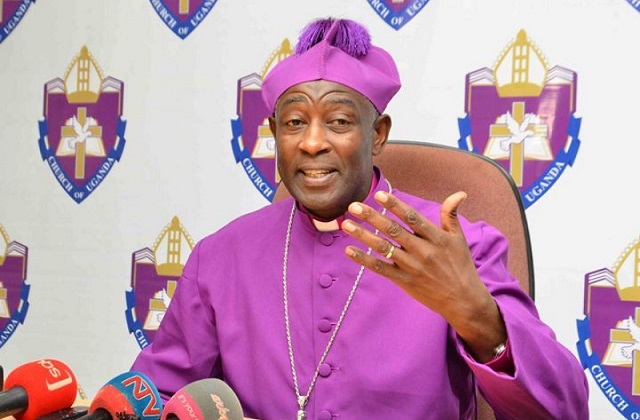
Archbishop Stephen Kaziimba Mugalu has publicly questioned the fiscal priorities of President Yoweri Museveni’s government, highlighting what he sees as a glaring contradiction in national spending. Speaking on the issue of medical interns’ allowances, Kaziimba pointed out that the government claims it cannot find Shs 28 billion to pay these essential healthcare workers while simultaneously allocating Shs 158 billion to purchase vehicles for Members of Parliament.
The Archbishop’s comments have sparked widespread debate and concern among Ugandans, particularly in the medical community, where interns are the backbone of hospital operations. According to Kaziimba, doctors often spend limited time at hospitals, while medical interns perform much of the essential work, including patient care and administrative duties.
“You cannot say that you have Shs 158 billion for MPs’ cars and then claim that Shs 28 billion to pay medical interns would crush the economy,” he asserted. The statement underscores a growing frustration among citizens over perceived mismanagement of public funds and prioritization of luxury over essential services.
Medical interns in Uganda have long been vocal about delays in receiving their allowances. These interns are responsible for attending to patients, assisting senior doctors, and ensuring the smooth operation of hospitals across the country. Despite the critical role they play, they often wait months without pay, creating stress and demoralization among young professionals entering the medical field.
Archbishop Kaziimba’s criticism is rooted in both ethical and practical concerns. He argued that healthcare is a vital service that directly impacts the lives of ordinary citizens. Failing to adequately support medical interns, he said, risks undermining the entire healthcare system and threatening the wellbeing of patients who rely on hospitals for essential care.
He further emphasized that the allocation of large sums for non-essential purposes, such as purchasing luxury vehicles for politicians, sends the wrong message to the public. The disparity between funding for parliamentary perks and essential medical services has raised questions about government priorities and governance.

The issue has become increasingly visible as social media platforms are flooded with stories and complaints from medical interns about unpaid allowances. Many of these young professionals have expressed frustration over having to perform demanding shifts without financial support, all while observing significant government expenditure in other areas.
Kaziimba’s remarks come at a time when Uganda is grappling with a healthcare system under strain. Hospitals, especially in rural areas, rely heavily on medical interns for patient care. The Archbishop noted that the interns are the ones “doing the donkey work” in hospitals, filling gaps left by senior doctors who are less present.
The call for fairness in funding is not just about money; it is about recognition and respect for those who dedicate their lives to public service. Archbishop Kaziimba emphasized that ignoring the plight of medical interns could discourage future generations from pursuing careers in medicine, worsening the shortage of healthcare professionals in the country.
He also questioned the rationale behind government arguments that paying medical interns would “crush the economy.” For Kaziimba, this explanation appears inconsistent and selective, as funds for non-essential expenditures seem readily available. He highlighted the need for transparency and accountability in government spending.
The Archbishop’s statements have drawn reactions from both citizens and opposition figures. Many Ugandans have voiced support for the call to prioritize essential services over luxuries, expressing frustration at the visible inequalities in budget allocations.
Medical interns, meanwhile, have cautiously welcomed Kaziimba’s intervention, hoping that it will accelerate the disbursement of their overdue allowances. Several hospitals have reportedly experienced tension and low morale due to unpaid intern allowances, which have sometimes affected patient care.
Advocates for public accountability argue that the government’s spending patterns reflect a larger problem of misaligned priorities. They point out that investments in healthcare, education, and other public services should take precedence over perks for elected officials, particularly in a country facing significant socio-economic challenges.
Archbishop Kaziimba also called for broader societal reflection on the ethical responsibilities of leaders. He stressed that leaders are entrusted with public resources to serve citizens’ needs, not personal or institutional luxuries. Such reflection, he argued, should guide budgetary decisions that affect the welfare of the population.
The disparity in funding has also ignited debates about budget transparency. Civil society organizations have repeatedly urged the government to publish detailed spending reports to ensure that citizens can scrutinize allocations and demand accountability when priorities appear misaligned.

Kaziimba urged the government to recognize the value of human capital, emphasizing that the skills and dedication of medical interns are irreplaceable. In his view, failing to compensate them fairly is both morally and practically indefensible.
His intervention underscores a larger concern about the allocation of public resources in Uganda, highlighting tensions between political interests and essential public services. Citizens are increasingly demanding that governance decisions reflect the needs of ordinary people rather than the comfort of officials.
The Archbishop concluded by appealing to policymakers to reconsider budget allocations and prioritize healthcare. He reminded authorities that investing in the wellbeing of medical personnel is an investment in national development, as healthy citizens depend on a functional healthcare system.
Kaziimba’s public criticism adds to mounting pressure on the government to address the challenges faced by medical interns. As debates continue, many hope that these comments will catalyze meaningful reforms and ensure timely payment of allowances for healthcare workers.
In the coming weeks, attention will likely focus on whether the government responds to these calls for fairness and transparency. Archbishop Kaziimba’s statement has highlighted a critical ethical and practical issue, urging leaders to reconcile budgetary decisions with the needs of those who keep the nation’s essential services running.
The discussion sparked by his remarks may prove pivotal in shaping future policy, particularly regarding how the government prioritizes expenditure, values its workforce, and balances public service needs against political or institutional demands.