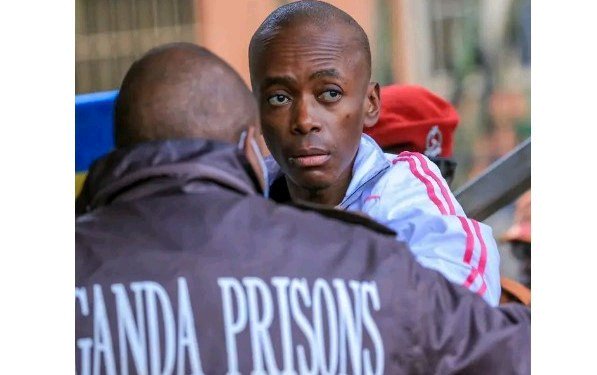
In a chilling revelation that has shocked Uganda, Christopher Okello Onyum allegedly confessed to killing four toddlers at a day-care centre in Ggaba, Kampala.
Court proceedings revealed that the suspect not only admitted to the killings but also expressed remorse, acknowledging the severe consequences of his actions.
During testimony before the court, Detective Assistant Superintendent of Police Eserait James, the Division CID Officer at Kabalagala Police, narrated the sequence of events leading to Okello’s arrest and confession. The testimony painted a picture of meticulous planning and horrifying intent.
According to DSP Eserait, the police were alerted to the attack around 11:30 am on April 2, 2026. Upon arriving at the scene, law enforcement officials were met by a highly agitated crowd of community members, who had gathered around the school. The officers had to disperse the crowd to secure the area and safely evacuate the suspect.
The suspect had been apprehended by private security guards stationed at the school and was reportedly in a visibly injured state. DSP Eserait testified that Okello had sustained bruises on his arms, mouth, and forehead, which he claimed were inflicted by the mob during the chaotic aftermath of the attack.

Once in police custody at Kabalagala Police Station, Okello allegedly made a chilling confession. When asked about his presence and actions, he reportedly admitted to killing the four children at the Ggaba day-care, explaining that his motivation was to acquire wealth.
The suspect’s admission of intent further unsettled those in court. DSP Eserait detailed that Okello had surveilled the school in advance, noting the absence of a security guard and the predominance of female staff, which he believed made the school an easier target.
Evidence presented in court suggested that the killings were carefully planned. The suspect reportedly purchased multiple knives before carrying out the attack, demonstrating premeditation and preparation. DSP Eserait testified that Okello had used some of these knives during the murders.
The courtroom was further shocked when the officer described Okello’s remorse. He reportedly apologized for his actions and acknowledged the gravity of the crimes, admitting that he faced the possibility of imprisonment or even death for his deeds.
Physical evidence played a central role in the prosecution’s case. Six knives allegedly linked to Okello were recovered from his residence and presented in court. Five of the knives were black, while one was grey. All were admitted as exhibits without objection from the defense.
DSP Eserait also conducted a search of Okello’s residence in Kyanja the day following the murders. During this operation, police recovered multiple items, including passports, electronics, and various documents, all of which were submitted for forensic examination.

The prosecution argued that the combination of Okello’s confession, his surveillance of the school, and the recovered weapons underscored both intent and premeditation in committing the murders. The evidence presented paints a picture of deliberate, calculated violence.
Observers noted the profound impact on the Ggaba community, particularly parents whose children attended the day-care. Many expressed disbelief and grief at the loss of the young victims, emphasizing the vulnerability of children in care settings.
Legal experts attending the proceedings highlighted the severity of the charges. In Uganda, crimes involving the murder of minors carry extremely harsh penalties, reflecting both societal outrage and the need for stringent deterrence.
The testimony also shed light on the investigative process. DSP Eserait emphasized that the initial response involved both securing the scene and collecting evidence to ensure a robust case. The swift intervention of police and private security helped prevent further escalation.
Courtroom attendees were visibly shaken by the details of the confession. The calculated nature of the killings, coupled with the suspect’s acknowledgement of potential consequences, prompted intense discussion about motives and mental state.
Okello’s claim that he sought wealth through the killings raised ethical and societal questions about the desperation and moral lapses that can lead to such acts. Analysts noted that financial motivation for violent crimes, while not uncommon, rarely escalates to the murder of children, making this case particularly disturbing.

Psychologists observing the trial suggested that premeditated violence against children indicates a complex interplay of intent, opportunity, and moral disengagement. Okello’s surveillance and preparation highlight the planning involved, distinguishing the crime from impulsive acts.
The trial, presided over by Judge Alice Komuhangi Khaukha, is ongoing, with further cross-examinations scheduled. The court will consider the full scope of evidence, including forensic analysis of the recovered knives and other items from the suspect’s residence.
Families of the victims have called for justice, emphasizing that accountability must be served to prevent further tragedies. Advocacy groups also highlighted the need for improved security and monitoring at educational and child-care institutions.
As the case unfolds, it has ignited national discussions about child safety, law enforcement preparedness, and community responsibility. The alleged confession, combined with the detailed planning and acquisition of weapons, underscores the critical need for vigilance and preventive measures in public spaces frequented by children.
This tragic incident serves as a stark reminder of the vulnerabilities children face and the devastating consequences of calculated acts of violence. The Ggaba community, along with the broader Ugandan public, now awaits the judicial process to deliver justice for the four innocent lives lost.