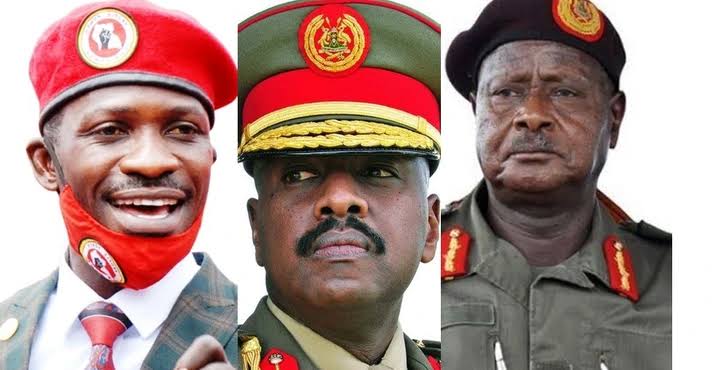
National Unity Platform (NUP) president Robert Kyagulanyi, popularly known as Bobi Wine, has reaffirmed his commitment to Uganda, stating unequivocally that his political mission and personal future are firmly rooted in his home country.
In a recent interview, Bobi Wine addressed reports of backchannel negotiations with the Ugandan government, emphasizing that his return to Uganda will happen on his own terms—freedom and dignity being non-negotiable prerequisites.
“My fight, my work is in Uganda. My citizenship is in Uganda,” Bobi Wine declared, highlighting the inseparable connection between his political activism and his presence in the country.
The opposition leader made it clear that while he is open to dialogue, neither his personal freedom nor the legitimacy of his party can be subject to negotiation or compromise.
Recent reports suggest that U.S. Ambassador to Uganda, William Popp, may have played a role in facilitating potential talks between Bobi Wine and the Ugandan government, but the opposition leader stopped short of confirming any formal negotiations.
Instead, he emphasized that engagement must be principled rather than transactional, reflecting a focus on legality, human rights, and the rule of law.
“First and foremost, I am not going to negotiate my freedom. My freedom must be guaranteed,” he said, drawing a clear line on the conditions under which he would return.

Bobi Wine’s remarks come in the context of months of political tension, including visible actions such as the withdrawal of security personnel from his residence in Magere and the release on bail of some NUP supporters.
While the country speculates on possible behind-the-scenes discussions, Bobi Wine reiterated that his return is motivated by a commitment to his political work, not personal convenience or political negotiation.
Observers note that his insistence on freedom and dignity sets a high bar for any potential engagement with government actors, signaling that NUP’s participation in dialogue must respect established rights and laws.
The opposition leader also highlighted that NUP’s legitimacy as a political party is grounded in both Ugandan law and international recognition, and this cannot be compromised for political expediency.
“We don’t need any negotiation for our party to be officially recognised,” he stated, underlining that legal recognition and political freedom are inherent rights, not commodities to be bargained over.
Bobi Wine’s supporters have interpreted his statements as a strong reaffirmation of his leadership and principled approach, emphasizing that engagement with the state must occur on fair and lawful terms.

Critics, however, suggest that his careful language could indicate some level of quiet dialogue, even if no formal negotiations have been acknowledged publicly.
Political analysts argue that Bobi Wine’s comments reflect a strategic balance: signaling openness to constructive engagement while protecting both personal and party integrity.
The interview also demonstrates his awareness of domestic and international audiences, ensuring that his message underscores the importance of freedom, rights, and lawful political participation.
Observers highlight that Bobi Wine’s distinction between transactional and principled dialogue is crucial, emphasizing that he will not compromise on core values for political convenience.
As Uganda continues to navigate a complex political environment, Bobi Wine’s statements offer insight into the conditions under which opposition-government dialogue may be acceptable.
His insistence on returning to Uganda as a free citizen reinforces his political legitimacy and positions him as a leader committed to constructive engagement rather than political compromise under duress.
Whether this signals the start of more structured dialogue or remains a reaffirmation of principle, Bobi Wine’s remarks underscore that any return to Uganda will be guided by freedom, dignity, and the law.