In a shocking development, reports indicate that doctors in the United States and at Aghan Hospital in Kenya have advised Kampala Woman MP and seasoned lawyer Shamim Malende to retire from active politics.
The recommendation comes as a precautionary measure for her health, with medical experts warning that continued political engagement could endanger her life.
Malende, a prominent figure in the National Unity Platform (NUP), recently retained her seat in the highly contested parliamentary elections. However, highly placed sources close to her suggest that she may heed medical advice and step back from politics to focus on recovery.
For several years, her family reportedly grew concerned about Malende’s deteriorating health. The situation worsened when she fell victim to a mysterious illness, described by some as poison-like, which even Nairobi doctors struggled to diagnose or treat effectively.
Despite her health challenges, Malende returned to Uganda to participate in campaign activities. Her dedication to her constituents and political ideals remained evident, but the strain on her health was apparent to those close to her.
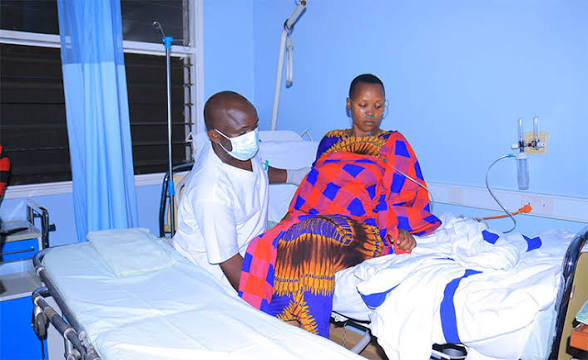
Currently, Malende is receiving specialized care in a hospital in the United States that focuses on treating suspected poisoning cases. Physicians there reportedly advised that continuing in high-pressure political roles could have fatal consequences.

Medical experts are urging her to prioritize recovery, noting that political stress, travel, and public engagements could exacerbate her condition. Her treatment regimen requires rest, monitoring, and minimal stress, making a return to active politics risky at this time.
Sources indicate that Malende’s decision to temporarily step back from politics is also influenced by close family members who have been vocal about the need for her to focus on health over political ambition.
Her absence from public view since the elections has fueled speculation about her wellbeing. Many constituents have expressed concern over the sudden silence from one of Kampala’s most high-profile MPs.
Adding to the pressure, security sources reportedly informed her that she was on a watchlist due to her involvement with the “Protest Vote” slogans, including Kalonde, Kakume, and Kabanje, prompting additional stress and concern for her safety.
This security warning, coupled with her health issues, appears to have influenced her decision to seek treatment abroad in the United States. Observers suggest that the combination of health and safety concerns made the timing of her withdrawal from public activities inevitable.
Despite the challenges, sources reveal that Malende is expected to return to Uganda soon. Her return will coincide with a more stable political environment, but she will need to carefully manage her health as she prepares for her swearing-in in May 2026.
Her medical team in the United States continues to monitor her condition, adjusting treatment plans to ensure she recovers fully before resuming high-stress activities.
Colleagues in the NUP have expressed support for Malende’s decision, emphasizing that health must come first. They have also pledged to assist her in navigating political responsibilities while she focuses on recovery.
Political analysts note that Malende’s potential temporary withdrawal could affect party strategy and parliamentary dynamics, but they also recognize that her health is paramount.
Malende’s situation highlights the intense pressures faced by politicians in Uganda, especially those involved in opposition politics, where stress, public scrutiny, and safety concerns are constant.

Supporters and well-wishers have taken to social media to express concern and solidarity, wishing her a swift recovery while urging patience during her absence.
Her family has remained tight-lipped about her medical condition, but insiders suggest that they are closely involved in every aspect of her care, from consultations with international doctors to planning her eventual return.
Medical experts warn that even minor stress or political confrontation could worsen her condition, making her decision to prioritize health not only sensible but critical for survival.
As preparations continue for the swearing-in of the new Parliament in May 2026, Malende will reportedly work behind the scenes to remain involved without compromising her recovery.
This unfolding situation underscores the human side of political life, reminding the public that even prominent leaders face vulnerabilities that require careful management.
Ultimately, Shamim Malende’s experience serves as a cautionary tale about the intersection of politics, health, and personal wellbeing, highlighting the need for balance in the life of public servants.
Even as the nation awaits her return, the story of Malende is inspiring dialogue about health, resilience, and the pressures that come with serving in high-stakes political environments.