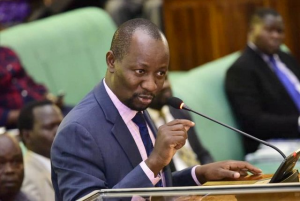
Norbert Mao has once again stirred political conversation with his striking declaration that “none of my cards are facing up,” signaling a strategy rooted in secrecy, timing, and unpredictability. His remarks paint a picture of a politician who deliberately withholds his plans until the most strategic moment.
By saying all his cards are facing down, Mao was using a metaphor drawn from card games, suggesting that his political moves are carefully concealed.
He emphasized that even close observers often do not know his next step, reinforcing his reputation as a calculated and strategic actor.
Mao pointed to his own past actions as evidence of this approach, particularly his late announcement to contest for Parliament.
According to him, many people—including political insiders—were caught off guard by his decision, which only became public at the last minute.
This element of surprise, Mao argues, is not accidental but intentional. He believes that revealing plans too early can weaken a political strategy, giving opponents time to prepare countermeasures. By keeping his intentions hidden, he maintains a tactical advantage.
The statement also reflects Mao’s broader political philosophy: that leadership and competition should not always follow predictable patterns. Instead, he embraces a style that disrupts expectations and keeps rivals uncertain about his next move.

Within the Democratic Party, Mao’s approach has been both admired and questioned. Supporters see it as a sign of strategic brilliance, while critics argue that it can create confusion among allies and voters.
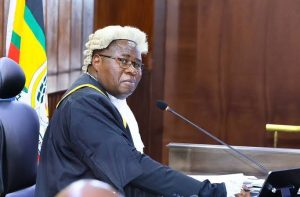
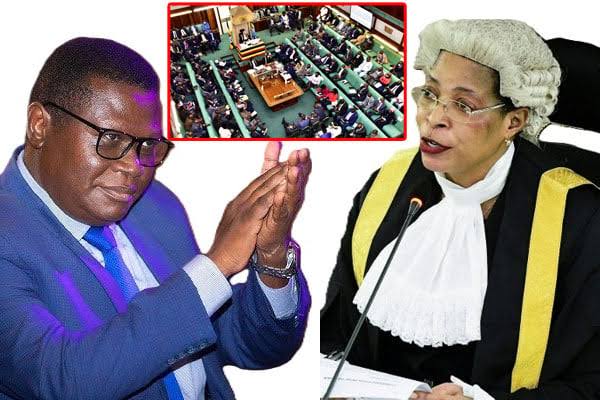
Mao’s comments come at a time when he is positioning himself for greater influence in Uganda’s political landscape, including his interest in the speakership. His emphasis on secrecy suggests that he may still have additional plans that have yet to be revealed.
He challenged his audience directly, asking how many people had anticipated his parliamentary bid. The rhetorical question was meant to demonstrate that his unpredictability is not just a claim but a proven pattern.
For Mao, politics is as much about timing as it is about ideas. He appears to believe that when a move is made can be just as important as what the move is. This perspective informs his decision to keep his “cards” hidden until the right moment.
Critics, however, argue that such an approach may undermine transparency, which is a key expectation in democratic systems. They contend that voters deserve clarity about a leader’s intentions well in advance.
Mao has pushed back against this criticism, suggesting that strategy and transparency are not mutually exclusive. He maintains that while his timing may be unpredictable, his goals and principles remain consistent.
His remarks also highlight the competitive nature of Ugandan politics, where information is often a powerful tool. By controlling what is known and when, Mao positions himself as a player who understands the dynamics of political competition.
The imagery of hidden cards resonates with many observers because it captures the uncertainty and intrigue that often characterize political maneuvering. It suggests a game where not all players have access to the same information.

Mao’s statement can also be seen as a message to his opponents: that they should not assume they understand his plans. By cultivating unpredictability, he aims to keep them off balance and reactive rather than proactive.
At the same time, the approach carries risks. If supporters feel excluded or uninformed, it could affect trust and confidence. Balancing secrecy with engagement remains a challenge for any political leader.
Mao appears aware of these risks but willing to accept them in pursuit of strategic advantage. His confidence suggests that he believes the benefits of surprise outweigh the potential downsides.
The broader public reaction to his remarks has been mixed, with some appreciating the candor and others questioning the implications. The debate reflects differing expectations about how politicians should communicate.
As Uganda moves toward future political contests, Mao’s strategy will likely continue to attract attention. Whether it proves effective will depend on how well he can translate unpredictability into tangible political success.
His comments also contribute to the evolving narrative around his leadership style—one that combines bold rhetoric with calculated decision-making. This combination keeps him at the center of political discourse.
Ultimately, Mao’s declaration about his “cards” serves as both a personal statement and a strategic signal. It underscores his belief that in politics, knowledge is power—and sometimes, the less others know, the stronger your position becomes.